Overview
The Maasai Mara National Reserve is the jewel of Kenya's wildlife estate and one of the most iconic safari destinations on earth. Covering 1,510 square kilometres of open savannah, rolling grassland, and riverine forest in the southwestern corner of Kenya — and forming the northern extension of the greater Serengeti-Mara ecosystem — the Mara is a place where the extraordinary is not the exception. It is the daily standard.
Named for the Maasai people who have inhabited and managed this landscape for centuries alongside its wildlife, the reserve sits within a broader ecosystem that encompasses over 30,000 square kilometres of protected and communally managed land. The Mara River — which bisects the ecosystem and forms the Kenya-Tanzania border in places — is the stage for the most dramatic annual wildlife event on the planet: the Great Wildebeest Migration's river crossings, when hundreds of thousands of animals plunge into crocodile-infested water in scenes of raw, unfiltered nature that define the very idea of African wildlife filmmaking.
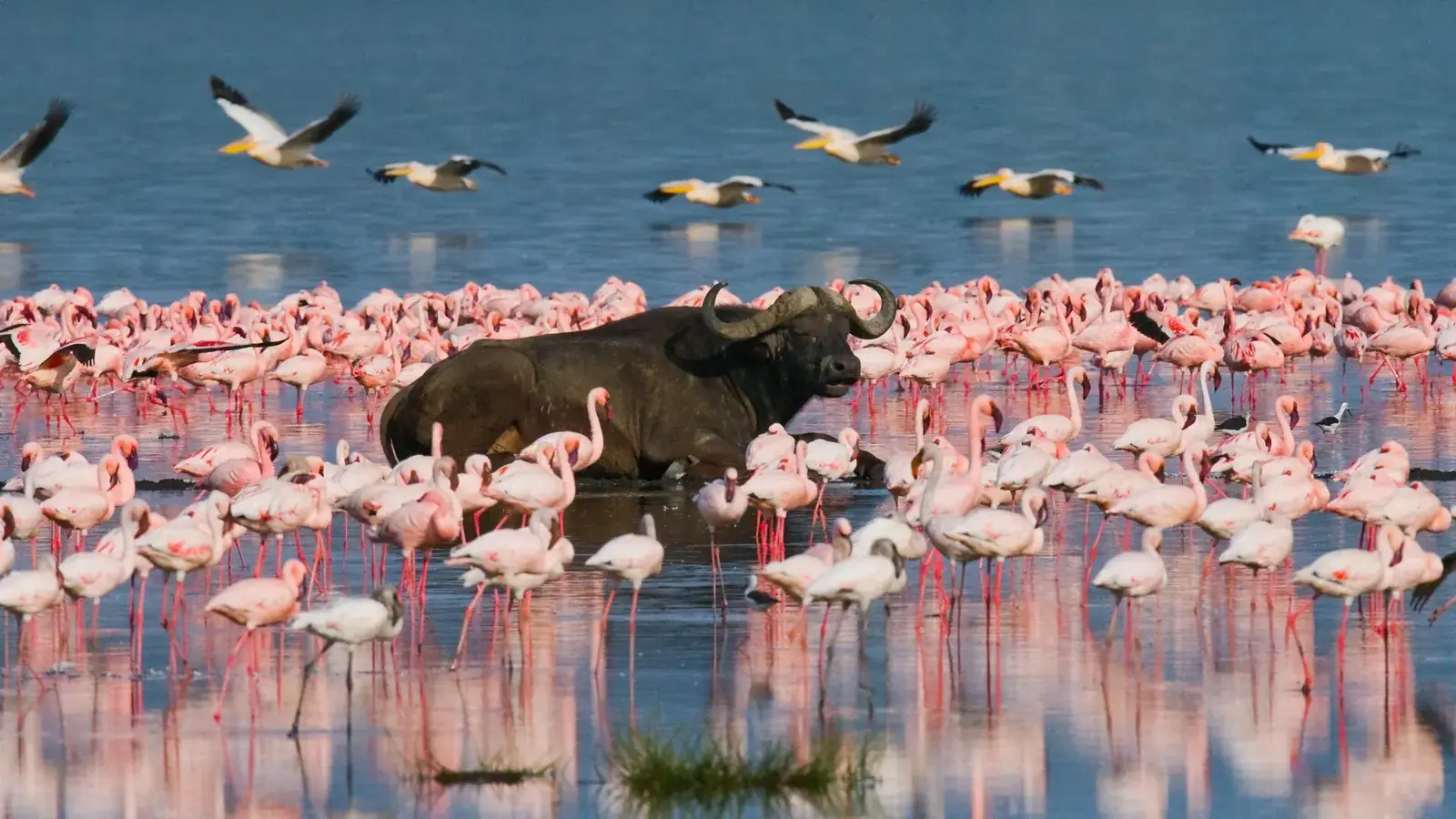
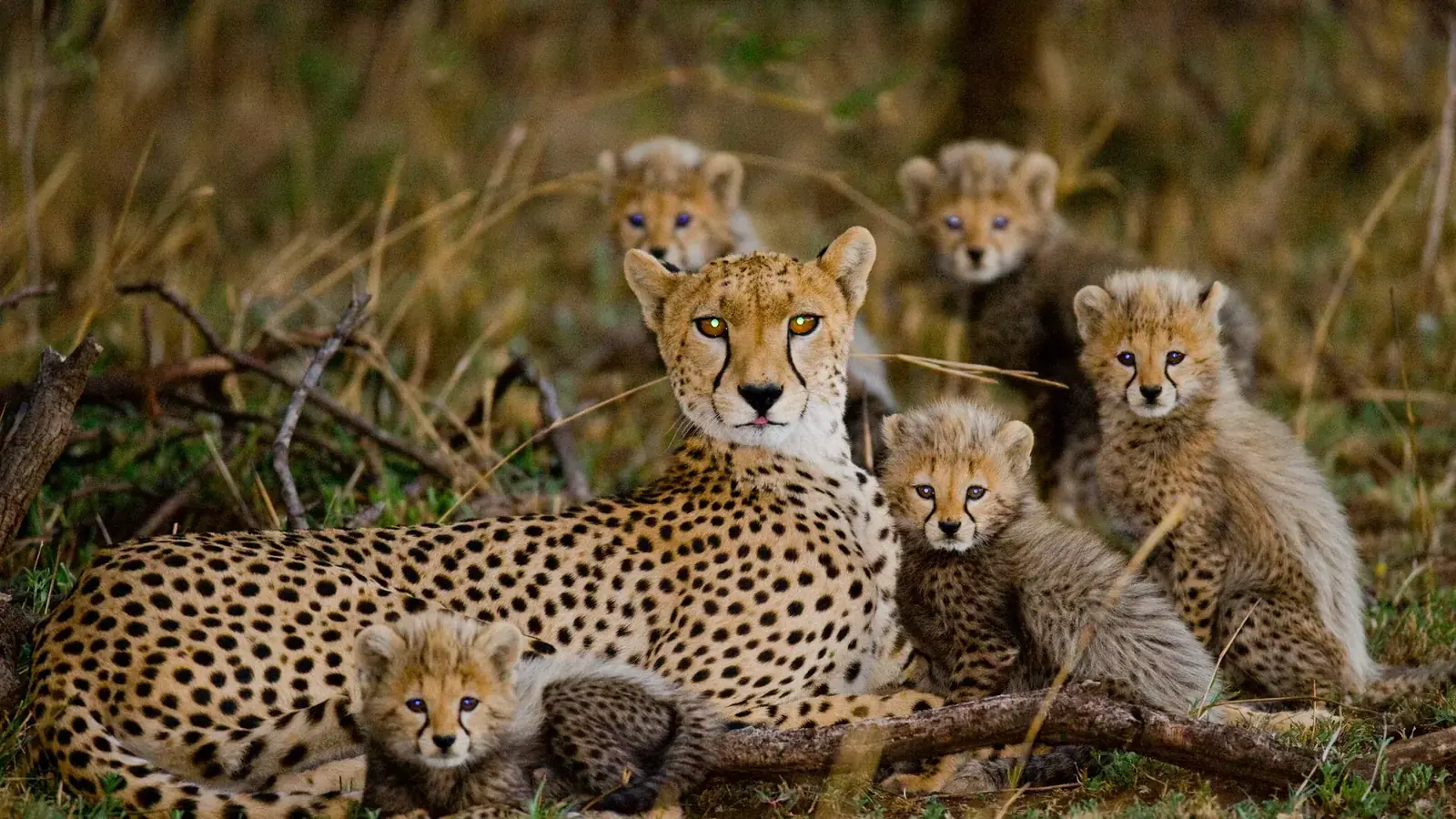
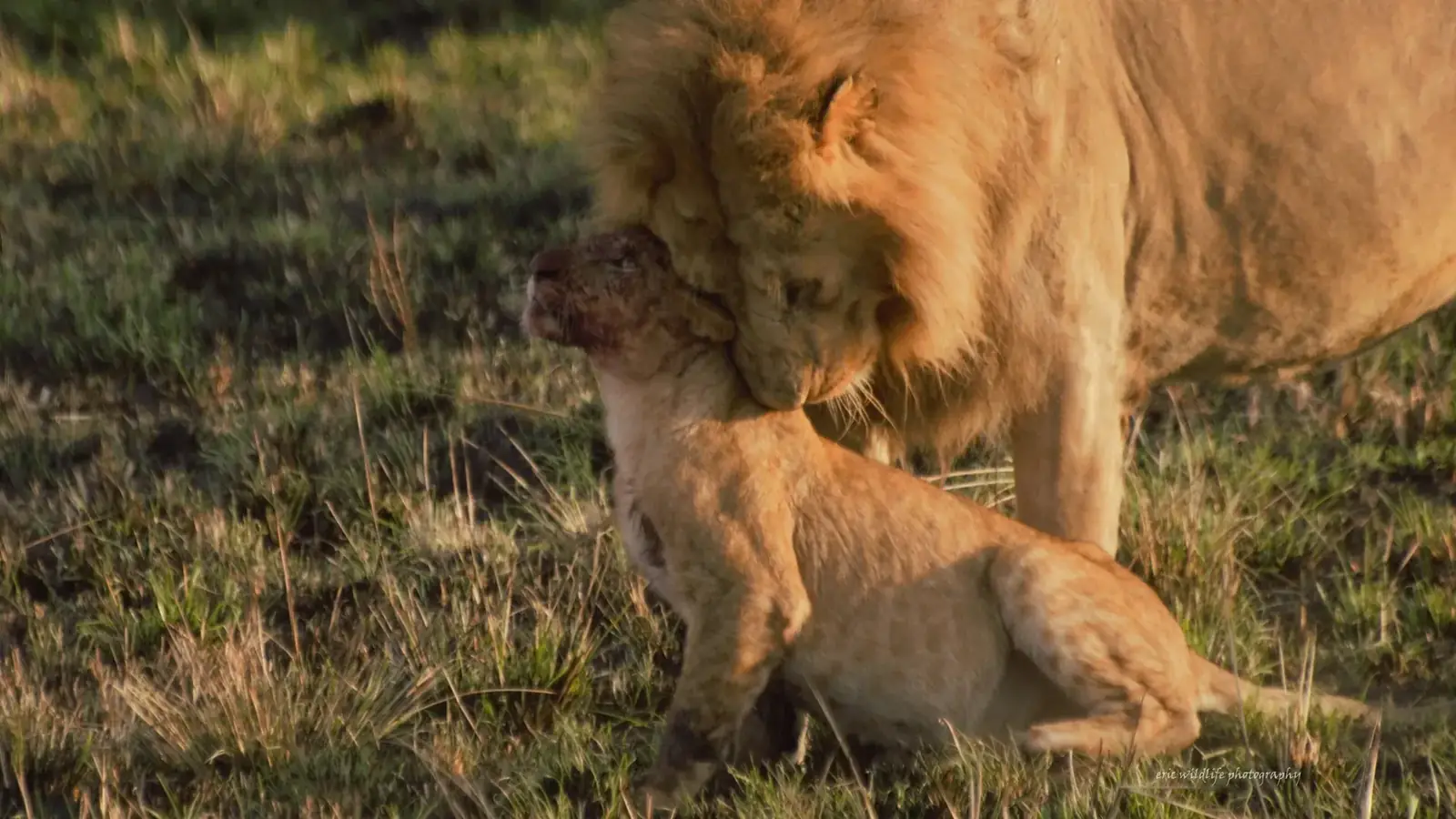
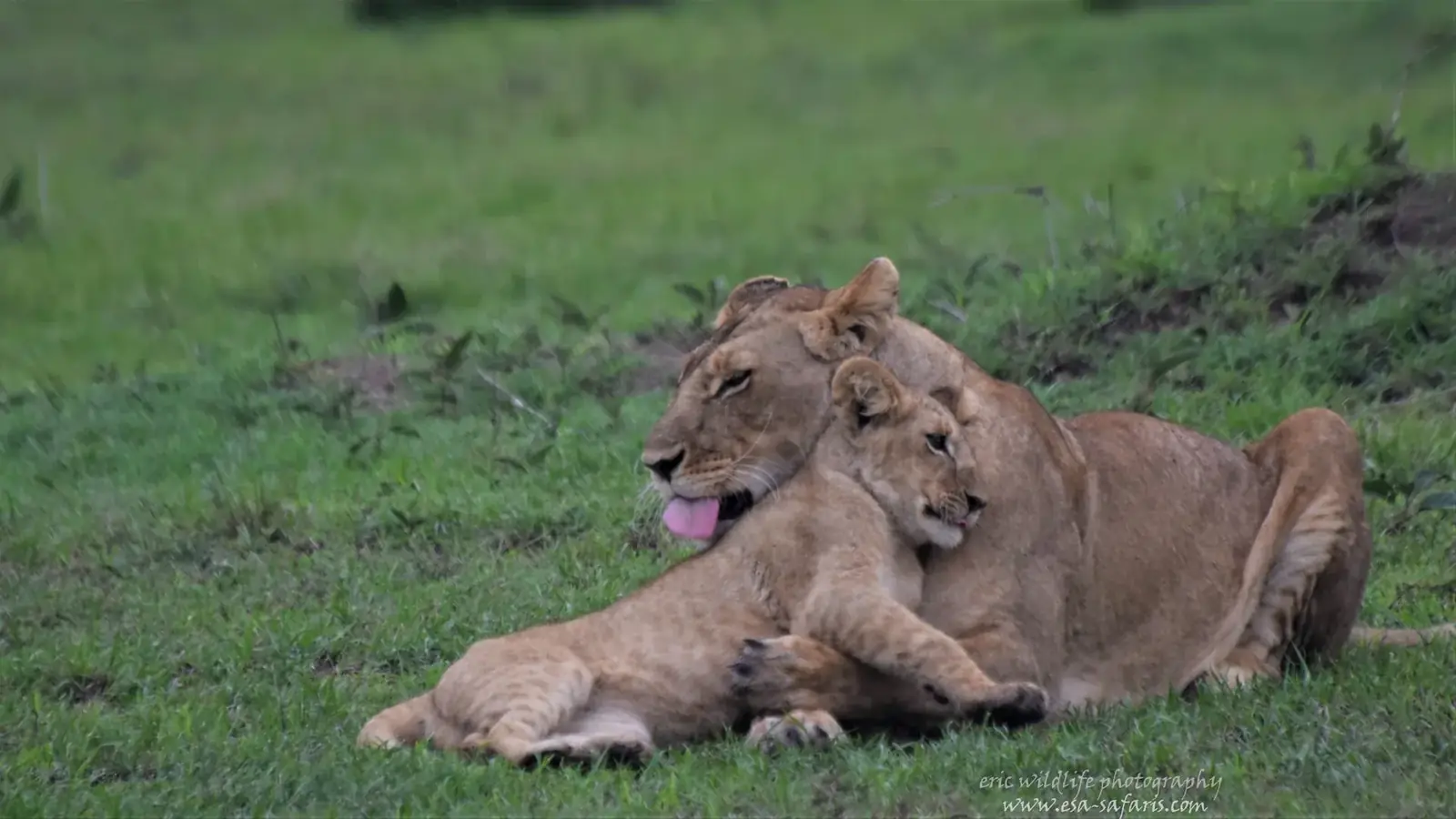
But the Maasai Mara is not a seasonal destination. It is exceptional twelve months of the year. The reserve supports Africa's highest density of lion — multiple large prides that are well-known to guides and frequently seen throughout the day. Leopards move through the riverine forest and are more reliably sighted here than almost anywhere else in East Africa. Cheetah mothers raise their cubs on the open plains in full view of game drive vehicles. Elephants, buffalo, hippo, giraffe, and over 470 bird species complete an ecosystem of breathtaking completeness.
The private conservancies that surround the Mara National Reserve — Ol Kinyei, Naboisho, Olare Motorogi, Lemek, and the Mara Triangle — add a further dimension to the experience: lower vehicle density, off-road driving capability, night game drives, and walking safaris with Maasai guides that are simply not available within the national reserve boundaries. These conservancies are where Serene Sojourns positions its most discerning guests — those who want the Mara's extraordinary wildlife with an additional layer of exclusivity and intimacy.
The Great Migration
The Maasai Mara is the northern terminus of the Great Wildebeest Migration — the annual movement of over 1.5 million wildebeest, 200,000 zebra, and 350,000 Thomson's and Grant's gazelle between the Serengeti in Tanzania and the Mara in Kenya. The migration is a continuous, year-round cycle driven entirely by the availability of fresh grazing, which follows the rains across the ecosystem.
The Mara receives the herds approximately between July and October, when the animals push northward from the Serengeti in search of the Mara's green grass. The river crossings — at established points along the Mara River where the banks narrow and the herds can see the opposite shore — are the event that most visitors build their entire itinerary around. They are unpredictable, explosive, and emotionally overwhelming: thousands of animals simultaneously deciding to enter the water, the river boiling with movement, crocodiles surging from the shallows, and the opposite bank churning with animals scrambling to safety.
No two crossings are identical. Some happen at dawn with barely a hundred animals; others erupt in the afternoon with tens of thousands. Experienced guides position vehicles at the crossing points early and wait — sometimes for hours — for the herds to commit. The wait is always worth it. Witnessing a river crossing is, by near-universal consensus among those who have seen it, one of the most visceral and unforgettable wildlife experiences available anywhere on earth.
The river crossing is not guaranteed on any given day — it is determined entirely by the wildebeest themselves. This unpredictability is precisely what makes it extraordinary. We book a minimum of three nights in the Mara during peak season to maximise crossing opportunity.
Signature Experiences
The Private Conservancies
The Maasai Mara ecosystem extends well beyond the national reserve boundary into a network of community-managed conservancies where Maasai landowners lease grazing rights to safari operators in exchange for conservation fees and employment. These conservancies — which surround the reserve on three sides — have become some of the finest safari areas in East Africa.
Ol Kinyei Conservancy
One of the oldest community conservancies in the Mara ecosystem, Ol Kinyei is a 6,500-hectare private wilderness with exceptionally low visitor numbers and outstanding wildlife. Off-road driving is permitted, night drives are available, and the conservancy supports large resident populations of lion, leopard, and cheetah alongside the full Mara ensemble.
Naboisho Conservancy
Covering 50,000 acres adjacent to the national reserve, Naboisho is managed by a consortium of lodge partners and Maasai landowners. It has built a reputation as the Mara's most reliable area for big cat sightings outside the reserve, with exceptional lion and cheetah density and some of the finest luxury camps in the ecosystem.
Olare Motorogi Conservancy
A premium private concession bordering the national reserve, Olare Motorogi is home to some of the Mara's most celebrated luxury lodge properties. The conservancy's wildlife density rivals the reserve itself during peak season, with the added advantages of exclusivity, off-road access, and night drives.
Mara Triangle
The western section of the Maasai Mara National Reserve is managed separately by the Mara Conservancy — a non-profit organisation that has dramatically improved wildlife management and anti-poaching in this area. The Triangle is less visited than the main reserve, supports excellent lion populations, and offers some of the best positions for observing Mara River crossings.
Lemek Conservancy
A newer addition to the Mara conservancy network, Lemek sits north of the main reserve and provides a quieter, less touristed alternative to the central Mara, while still offering access to the full wildlife spectrum and the migration corridor.
Best Time to Visit
The Maasai Mara can be visited productively year-round, but different periods offer different experiences:
July to October — Peak Migration Season
This is the Maasai Mara at its most famous. The wildebeest herds are in the reserve, river crossings are a daily possibility, and the concentration of wildlife — predator and prey — is extraordinary. This is also peak tourist season: accommodation is at maximum rates and minimum availability. Book six to twelve months in advance for July–October travel. We recommend a minimum of three nights to maximise crossing opportunity.
January to February — Resident Wildlife Season
The migration is in Tanzania during these months, but the Mara's resident wildlife is exceptional year-round. Lion prides, leopards, cheetah families, and elephants are reliably sighted. Tourist numbers are lower, rates are more competitive, and the landscape — still green from the short rains — is beautiful. This is an outstanding time to visit for those who prioritise quality game viewing without peak-season crowds.
November — Short Rains
Brief daily showers, dramatically green landscapes, competitive rates, and low visitor numbers. Wildlife viewing is still productive and the Mara's atmosphere is at its most dramatic. An underrated shoulder season.
March to May — Long Rains
The Mara experiences heavier rainfall during this period. Some access roads become challenging, certain camps close, and wildlife disperses across a greener landscape. However, rates are at their lowest, birdlife is at its most spectacular with migratory species present, and the few travelers who visit during this window often report a profoundly intimate experience with the ecosystem.
June — Pre-Migration Shoulder
The herds begin entering the northern Serengeti and some early individuals cross the border into the Mara. Wildlife viewing is excellent, crowds are manageable, and rates begin rising toward peak. June is often considered the sweet spot of the Mara calendar — excellent value for outstanding game viewing before the July peak.
Accommodation Landscape
The Maasai Mara supports one of Africa's richest and most varied accommodation ecosystems — from iconic classic tented camps that have operated for decades to ultra-luxury contemporary lodges with private plunge pools and butler service. The conservancies host some of the finest properties in all of East Africa.
Luxury Tented Camps
The authentic Mara experience — canvas walls that open to the sounds of the bush at night, en-suite bathrooms with outdoor showers, and verandas overlooking floodplains or the Mara River. Properties such as Angama Mara, Mahali Mzuri, Sanctuary Olonana, and Governors' Camp represent the pinnacle of tented camp luxury within the ecosystem.
Intimate Conservancy Properties
The private conservancies host some of the Mara's most exclusive properties — small by design, with as few as five or six tented suites, extremely high staff-to-guest ratios, and a complete immersion in the wilderness. These properties are our preferred recommendation for honeymoons, photography itineraries, and guests who prioritise privacy over scale.
Classic Mid-Range Camps
The Mara also offers excellent mid-range options — well-run tented camps and lodges within and adjacent to the reserve that provide a genuine bush experience at a more accessible price point. These are suitable for trade partners building product for mid-market clients without compromising on the quality of the game viewing experience.
Getting There
- The Maasai Mara is reached from Nairobi in two primary ways:
Charter Flights
Scheduled and charter flights from Nairobi's Wilson Airport to the Mara's multiple airstrips — Ol Kiombo, Kichwa Tembo, Mara Serena, and others — take approximately 45 minutes and are the strongly recommended option for all but the most budget-conscious travelers. Most camps and lodges include airstrip transfers. Flight schedules operate multiple times daily in peak season.
Road Transfer
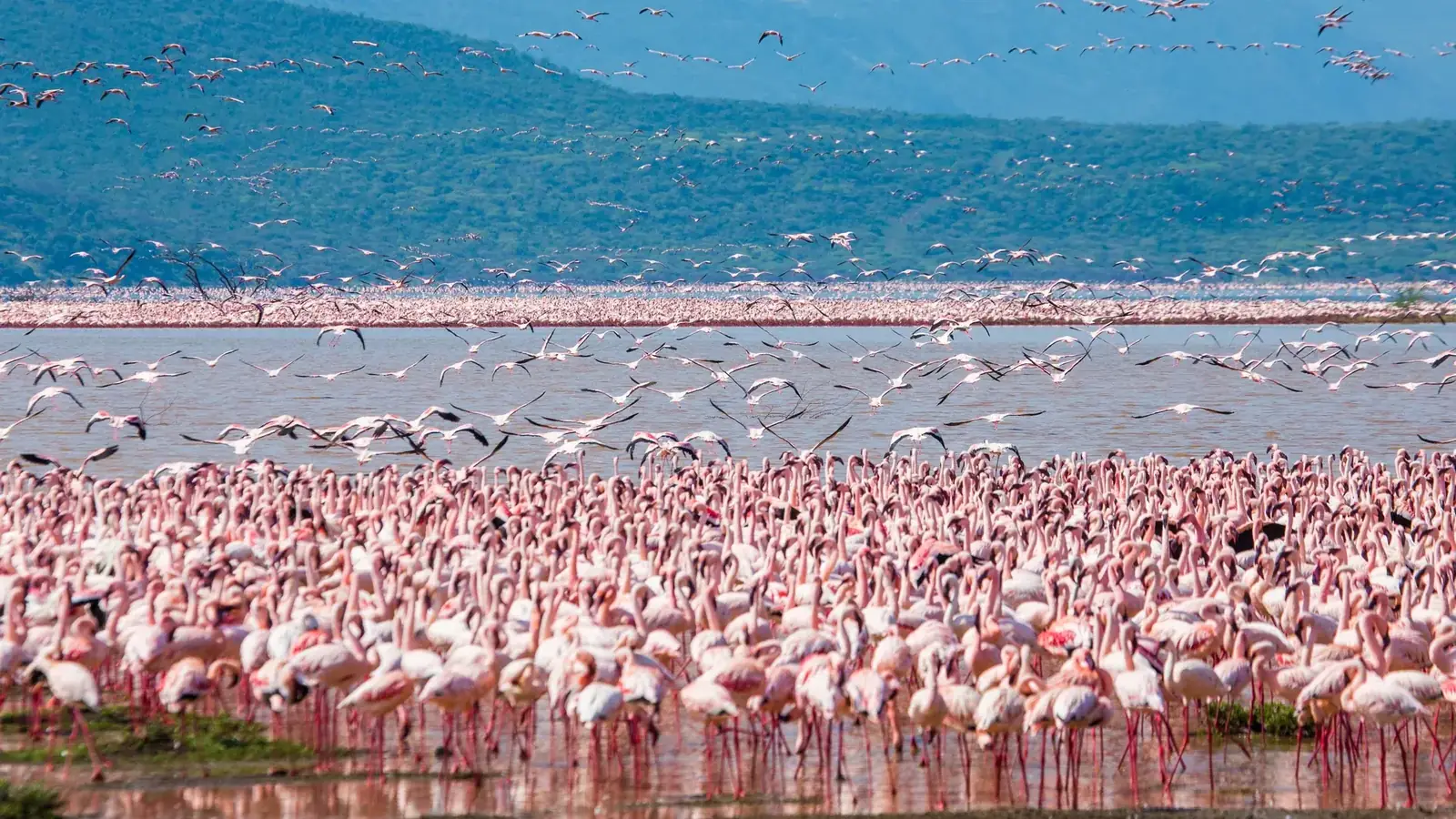
The road journey from Nairobi to the Maasai Mara takes approximately 4.5 to 5.5 hours depending on traffic and road conditions. While the route passes through dramatic Rift Valley scenery and can be done in a comfortable 4x4 with a driver-guide, we recommend road transfers only for itineraries where an en-route stop — such as a visit to Lake Nakuru — justifies the extended journey time.
Practical Tips
Maasai Mara conservancy fees are charged per guest per night on top of accommodation rates — typically USD 80–150 per person per night depending on the conservancy. We include all conservancy and park fees in our quotations. Gorilla permits and balloon safaris must be booked in advance. The Mara's altitude (1,600m) means morning and evening temperatures can be cool — pack a light fleece alongside lightweight safari clothing.
Best For
→ Plan your Maasai Mara journey — submit an enquiry to receive a tailor-made proposal.
How to plan Maasai Mara National Reserve
The Maasai Mara can be visited productively year-round, but different periods offer different experiences: July to October — Peak Migration Season This is the Maasai Mara at its most famous. The wildebeest herds are in the reserve, river crossings are a daily possibility, and the concentration of wildlife — predator and prey — is extraordinary. This is also peak tourist season: accommodation is at maximum rates and minimum availability. Book six to twelve months in advance for July–October travel. We recommend a minimum of three nights to maximise crossing opportunity. January to February — Resident Wildlife Season The migration is in Tanzania during these months, but the Mara's resident wildlife is exceptional year-round. Lion prides, leopards, cheetah families, and elephants are reliably sighted. Tourist numbers are lower, rates are more competitive, and the landscape — still green from the short rains — is beautiful. This is an outstanding time to visit for those who prioritise quality game viewing without peak-season crowds. November — Short Rains Brief daily showers, dramatically green landscapes, competitive rates, and low visitor numbers. Wildlife viewing is still productive and the Mara's atmosphere is at its most dramatic. An underrated shoulder season. March to May — Long Rains The Mara experiences heavier rainfall during this period. Some access roads become challenging, certain camps close, and wildlife disperses across a greener landscape. However, rates are at their lowest, birdlife is at its most spectacular with migratory species present, and the few travelers who visit during this window often report a profoundly intimate experience with the ecosystem. June — Pre-Migration Shoulder The herds begin entering the northern Serengeti and some early individuals cross the border into the Mara. Wildlife viewing is excellent, crowds are manageable, and rates begin rising toward peak. June is often considered the sweet spot of the Mara calendar — excellent value for outstanding game viewing before the July peak.
Works well as part of a wider East Africa circuit.
First-time East Africa safari visitors seeking iconic wildlife encounters, Migration-focused travelers timing their visit for July to October river crossings, Wildlife photographers — big cats, birds, and open savannah landscapes, Honeymooning couples in luxury conservancy lodges, Families — private conservancy properties offer flexible, child-friendly game drive scheduling, Experienced safari travelers returning for a deeper Mara experience in the private conservancies, Trade partners building Kenya safari packages across all market segments
- Mara River wildebeest crossings — July to October, the world's most dramatic wildlife event
- Big cat tracking — lion prides, solitary leopards, and cheetah families on open plains
- Hot air balloon safari at dawn — floating above the plains before landing for champagne breakfast
- Night game drives in private conservancies — nocturnal predators, bush babies, and civets
- Walking safaris with Maasai warrior guides in the conservancy buffer zones
- Cultural visits to authentic Maasai manyattas — warrior ceremony, homestead access, and craft
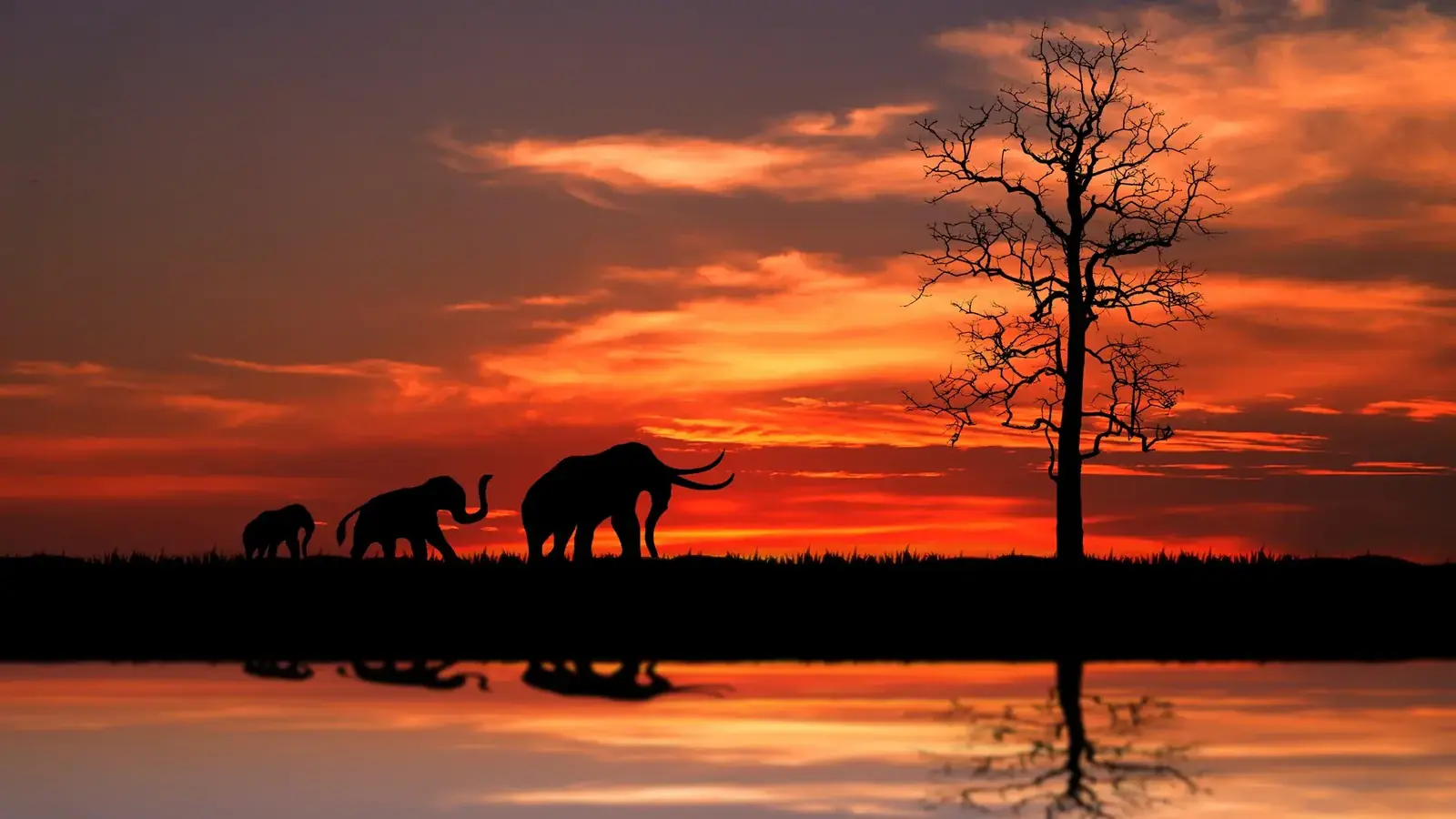
- Elephant herd encounters in the northern Mara and along riverine corridors
- Wild dog sightings — the Mara's resident pack is among the most regularly seen in East Africa
- Birding — 470+ species including the stunning lilac-breasted roller, secretary bird, and martial eagle
- Predator-prey interactions — lion hunts, cheetah sprints, and hyena clan dynamics
- Photographic game drives with dedicated guides and modified vehicles
- Bush sundowners — watching the Mara sky turn gold with a drink in hand and nothing but savannah in view