Overview
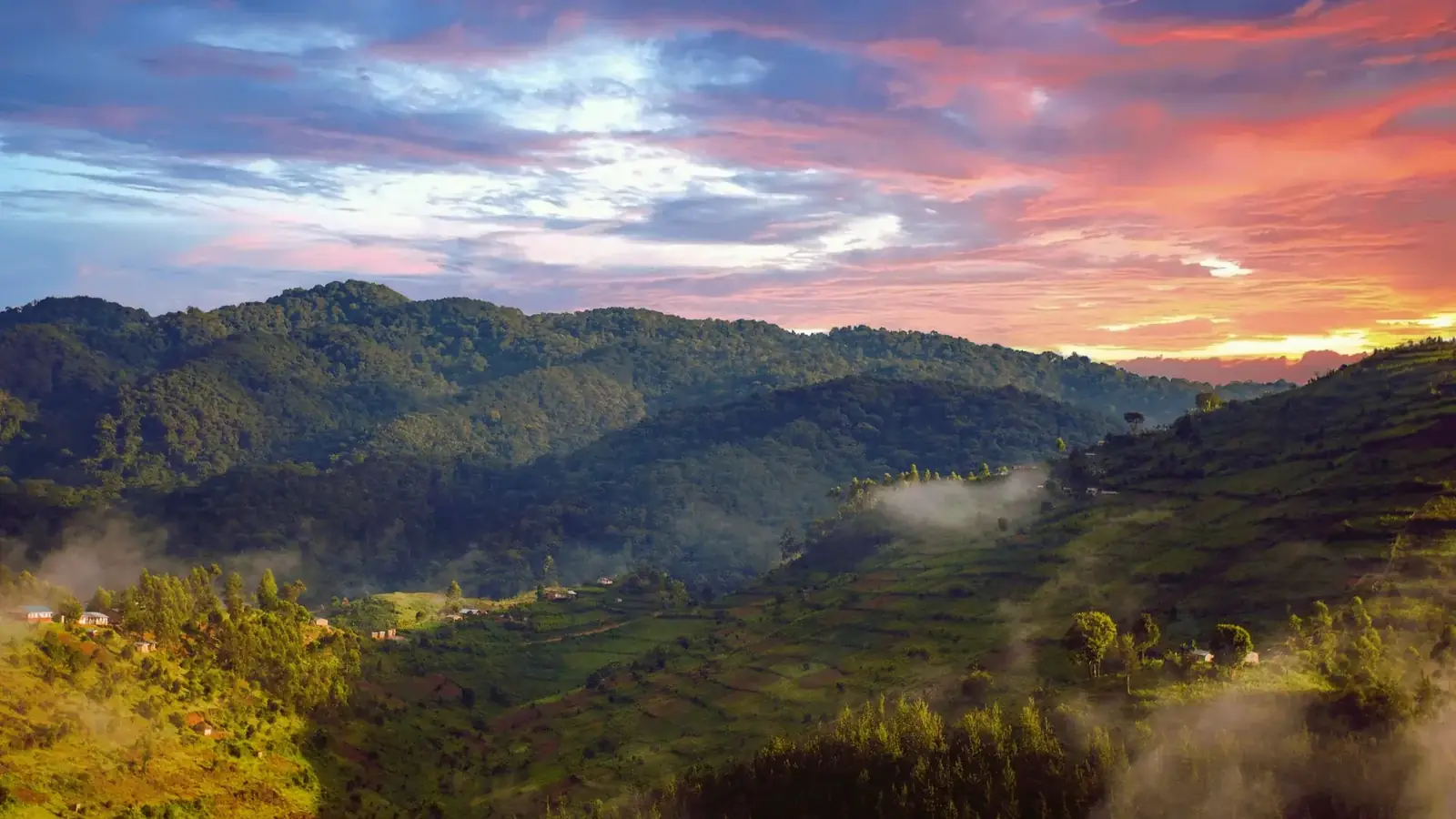
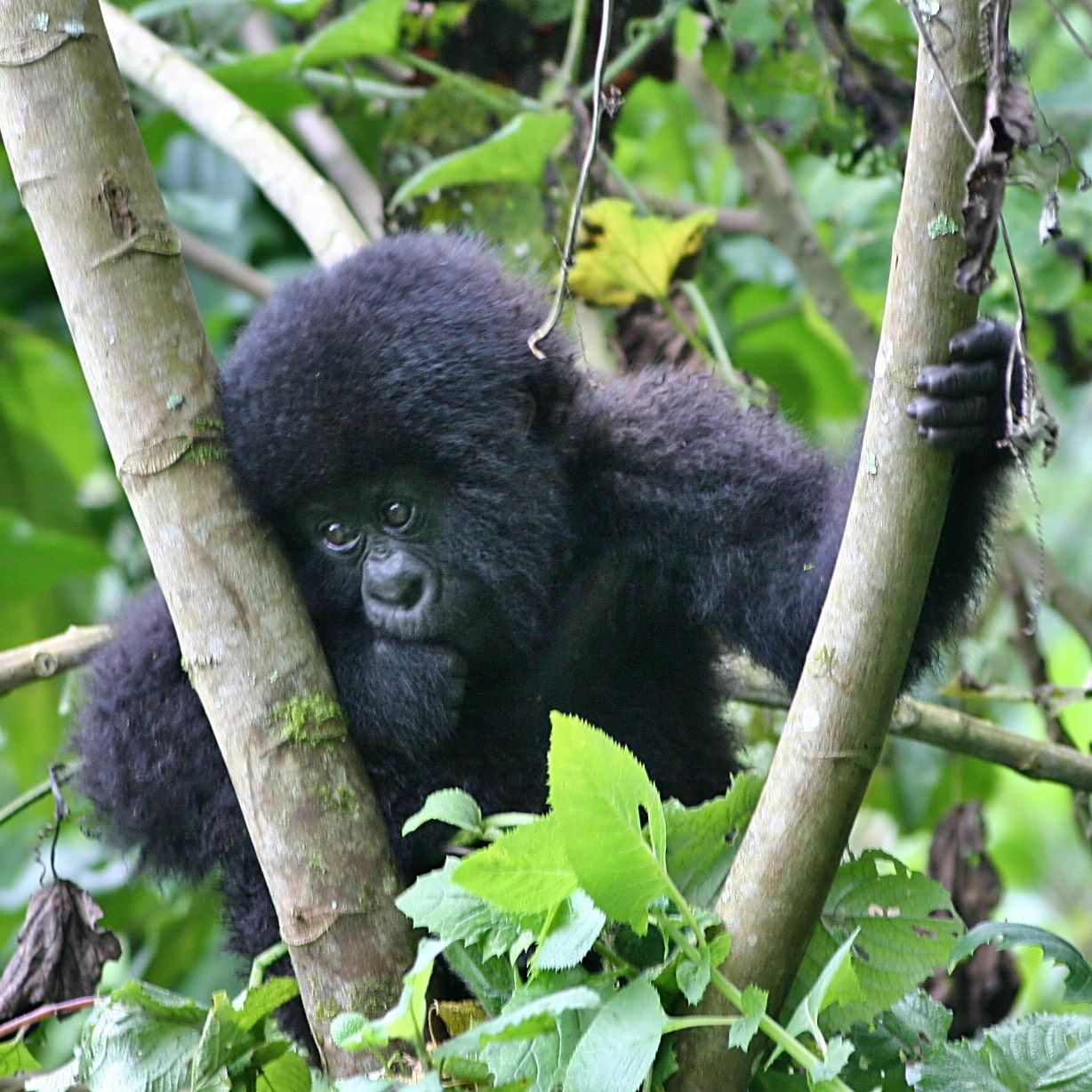
Bwindi Impenetrable National Park is one of Africa's most extraordinary protected areas — a 331-square-kilometre ancient afromontane rainforest in southwestern Uganda that has been continuously forested for over 25,000 years. UNESCO recognised it as a World Heritage Site in 1994, and today it is the world's most important refuge for mountain gorillas, supporting approximately 400 individuals — nearly half of the entire global population.
The Bwindi forest is genuinely impenetrable in places — a dense tangle of ancient trees, lianas, mosses, ferns, and undergrowth that creates an atmosphere of primordial wilderness unlike anywhere else on earth. Trekking through it to find a gorilla family — guided by experienced Uganda Wildlife Authority rangers and trackers — is physically demanding, emotionally intense, and ultimately one of the most profound wildlife encounters available anywhere on the planet.
The trekking experience itself is variable and unpredictable in the best possible way. Gorilla groups move through their forest territory daily, which means the trek duration varies from 30 minutes to six hours depending on where the group is found. When you find them — and you will find them — you are permitted one hour in their presence. That hour tends to feel both endless and over in an instant.
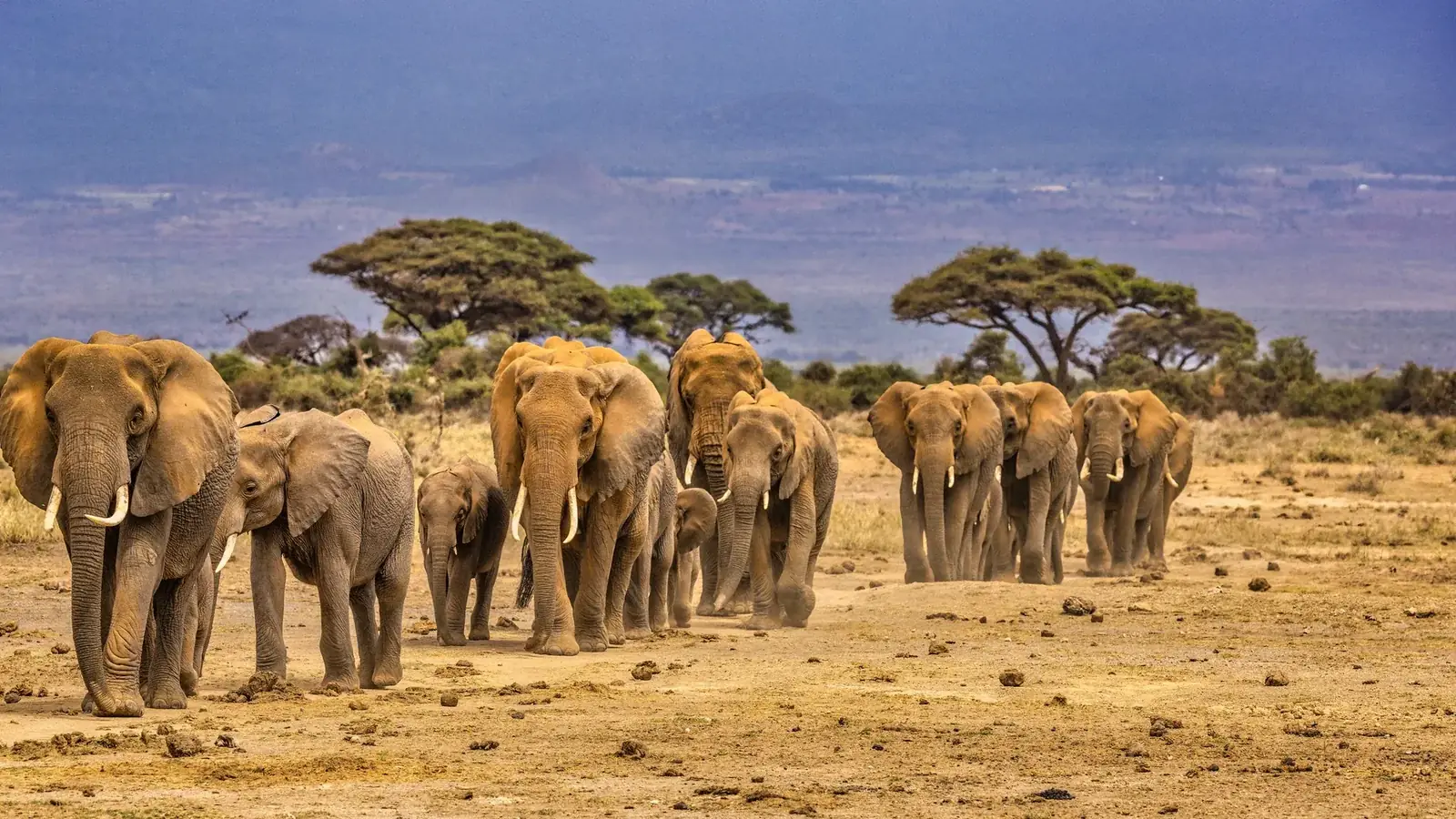
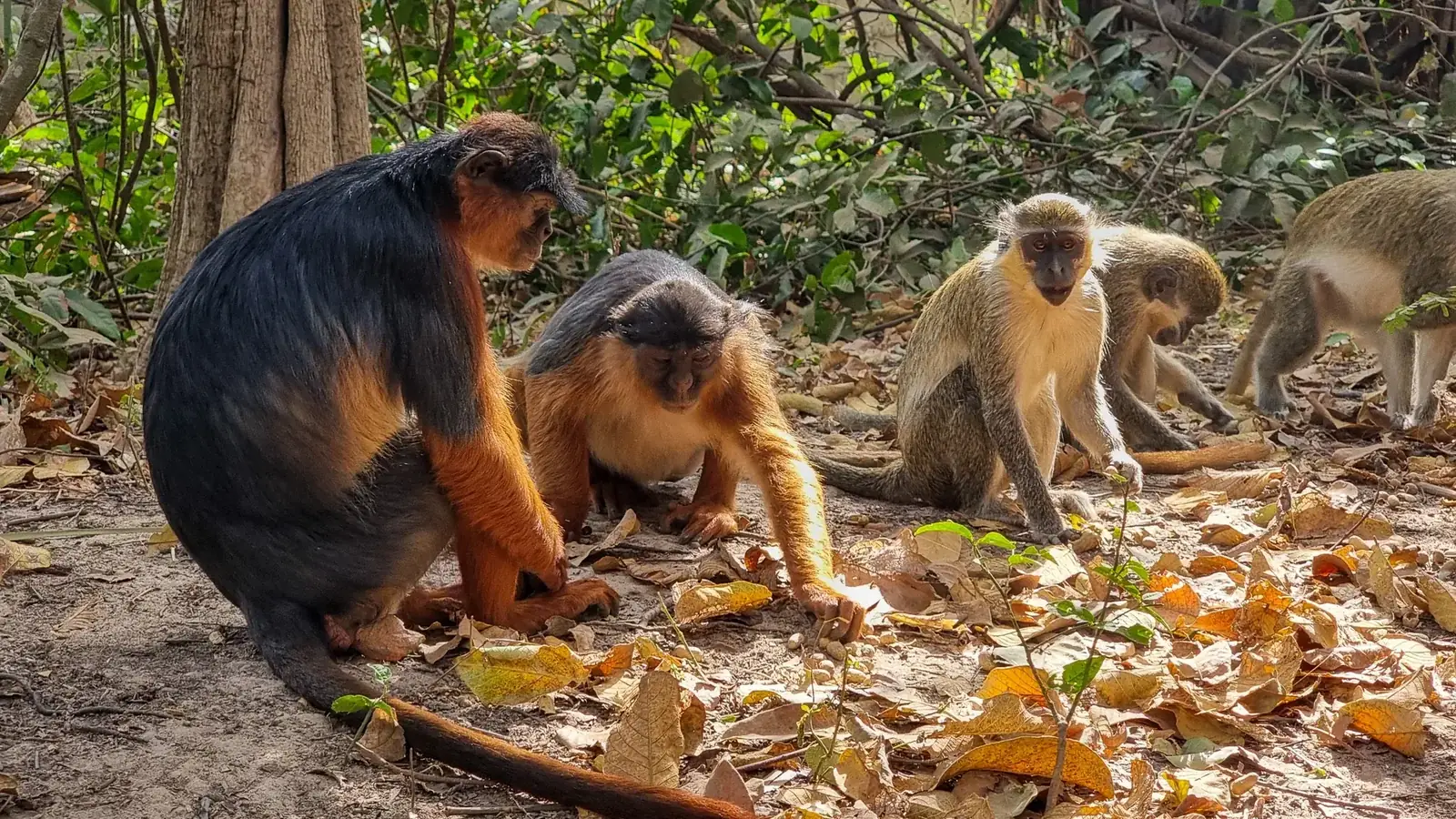
Bwindi supports four main trekking sectors — Buhoma, Ruhija, Rushaga, and Nkuringo — each with different habituated gorilla groups, different trekking terrain, and different lodge options. The park also supports 347 bird species including 23 Albertine Rift endemics, as well as chimpanzees, L'Hoest's monkeys, and the rare African forest elephant.
Signature Experiences
Best Time to Visit
Bwindi can be visited year-round. The two dry seasons (December–February and June–September) offer the most comfortable trekking conditions — trails are drier, visibility is better, and the physical challenge is somewhat reduced. The wet seasons (March–May and October–November) make trails muddy and challenging but produce extraordinarily lush and atmospheric forest. Gorilla sightings are guaranteed year-round regardless of weather.
Key Areas & Sub-Destinations
Practical Tips
Bwindi gorilla permits cost USD 700 per person (Uganda Wildlife Authority) — significantly less expensive than Rwanda's USD 1,500. Permits must be booked well in advance, particularly for peak season. The park is reached by road from Kampala (approximately 8–9 hours) or by charter flight to Kihihi or Kisoro airstrips. Combining Bwindi with Queen Elizabeth National Park or Kibale chimpanzee trekking creates a well-rounded Uganda safari.
Best For
→ Plan your Bwindi Impenetrable Forest journey — submit an enquiry to receive a tailor-made proposal.
How to plan Bwindi Impenetrable Forest
Bwindi can be visited year-round. The two dry seasons (December–February and June–September) offer the most comfortable trekking conditions — trails are drier, visibility is better, and the physical challenge is somewhat reduced. The wet seasons (March–May and October–November) make trails muddy and challenging but produce extraordinarily lush and atmospheric forest. Gorilla sightings are guaranteed year-round regardless of weather.
Buhoma Sector — most accessible, oldest tourism operation, diverse lodges, Ruhija Sector — highest altitude, most challenging terrain, superb birding, Rushaga Sector — largest number of habituated groups, habituation experience, Nkuringo Sector — remote, ridge-top setting, views into Congo, luxury lodges
Gorilla trekking seekers (Uganda permit offers better value than Rwanda), Conservation-focused travelers, Birdwatchers, Multi-country East Africa itinerary travelers, Adventure hikers comfortable with demanding terrain
- Mountain gorilla trekking — the signature experience, maximum eight visitors per group per day
- Gorilla habituation experience — a full day with a partially habituated group (Rushaga sector)
- Community walks and cultural engagement around the forest periphery
- Birdwatching — 347 species, 23 Albertine Rift endemics
- Batwa pygmy cultural encounter — Uganda's original forest inhabitants
- Forest walks and guided nature trails in the buffer zone
- Night walks for bush babies, chameleons, and forest insects