
Responsible volunteering · Adults 18+

Contribute with purpose. Learn with humility.

Volunteering is not a photo opportunity. Each placement must respond to an expressed, locally defined need, support rather than replace local workers, and be independently assessed for lawful entry, duty of care, safeguarding and measurable benefit. The following are programme concepts, not existing guaranteed host placements.

Proposed programmes · Tailored to your learning goals

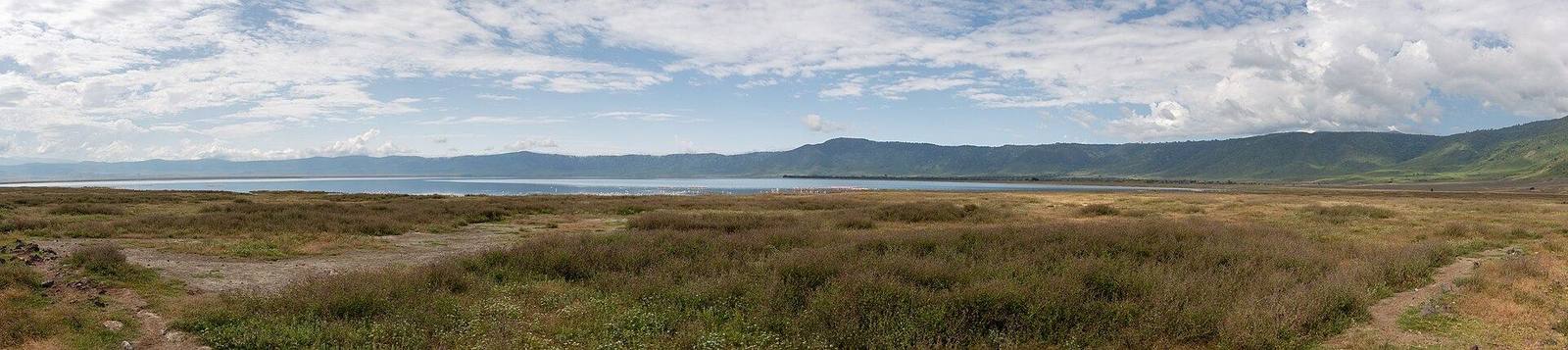
Tanzania Safari safari scenery for SERENE SOJOURNS TOURSTanzania · Programme concepts, not guaranteed host placements

Five pathways. One principle: locally led.

These concepts are assessed individually and are offered only after suitability, host availability, permissions and safeguards are confirmed.

Conservation Monitoring & Habitat Stewardship

Kenya / South Africa • 18+; typically 2–4 weeks

Request an assessment for Conservation Monitoring & Habitat Stewardship

Assist an approved conservation organisation with supervised habitat mapping, invasive-plant monitoring, data entry or restoration tasks that do not require specialist licensing.

Learning benefits
Ecological survey protocols; spatial data recording; conservation governance; research ethics.

Activity boundaries
Unsupervised wildlife contact, animal handling, high-risk ranger work, and activities that replace qualified conservation staff.

Sustainable Agriculture & Climate Resilience

Tanzania / Uganda / Kenya • 18+; typically 2–6 weeks

Request an assessment for Sustainable Agriculture & Climate Resilience

Support locally led agroecology demonstration farms, compost programmes, soil-health observations, nursery management or non-sensitive monitoring projects.

Learning benefits
Food systems, climate adaptation, water use, cooperative operations and locally appropriate technology.

Activity boundaries
Using restricted agrochemicals, operating hazardous equipment or representing unverified climate impacts.

Community Enterprise & Digital Skills

South Africa / Kenya / Rwanda • 18+; typically 2–4 weeks

Request an assessment for Community Enterprise & Digital Skills

Where requested by a vetted enterprise or NGO, assist with digital recordkeeping, basic marketing templates, inventory analysis or staff-led workshops.

Learning benefits
Social enterprise, sustainable tourism, collaboration, entrepreneurship and impact measurement.

Activity boundaries
Handling personal data without consent, taking over financial controls, or promising employment or business outcomes.

Public Health Systems Observation & Research Support

Uganda / South Africa • 18+; normally 2–6 weeks; course approval

Request an assessment for Public Health Systems Observation & Research Support

For suitably qualified students, non-clinical support such as approved administrative research, anonymised health education materials or public-health data review under institutional supervision.

Learning benefits
Health systems, community outreach design, informed consent and health inequities.

Activity boundaries
Unlicensed clinical treatment, patient examination, unsupervised counselling or accessing confidential patient records.

Education Resource Development & Learning Support

Kenya / Tanzania / Rwanda • 18+; generally 4+ weeks; strict partner vetting

Request an assessment for Education Resource Development & Learning Support

Develop teaching resources and teacher-requested curriculum materials within a formal school or NGO programme with qualified local educators present.

Learning benefits
Curriculum design, intercultural communication, inclusive teaching and safeguarding.

Activity boundaries
Orphanage visits, unsupervised child contact, short-term substitution for teachers or promotional photography of children.

An illustrative volunteer learning rhythm

This 14-day example illustrates orientation and handover. It does not shorten pathways such as education resource development, which generally require four or more weeks.

Days 1–2

Welcome, orientation, host briefing, risk review, ethics and task approval.

Days 3–5

Supervised observation, basic training, baseline assessment and realistic project-scoping.

Days 6–10

Agreed contribution under host supervision, daily logs and mid-placement feedback.

Days 11–12

Document outcomes, hand over files, receive host review and avoid creating dependencies.

Days 13–14

Reflective presentation, exit interview, learning evaluation and departure.

Eligibility, permissions & protections

Host identity, task descriptions, supervision, screening, insurance, emergency access, complaints channels, community consent and fair financial arrangements must be documented.

Minimum 18 years for independently placed volunteers. Younger participants can join school-led service-learning only where activities are age appropriate, supervised and not equivalent to regulated volunteering.

Placements require documented host identity, task descriptions, supervision, screening where necessary, insurance, emergency access, complaints channels, community consent and fair financial arrangements.

Tourist or visitor entry permission must never be presumed to allow volunteering or internships. Confirm specific immigration/work/residence authorisation with the relevant country authority before sale.

Do not offer orphanage tourism, clinical practice by unlicensed visitors, wildlife touching/handling or unsupervised contact with vulnerable persons.

Collect only necessary health and safeguarding information, limit access and obtain informed consent for imagery and reporting.

Start with a placement assessment.

Tell us about your background, interests and availability. There are no instantly bookable volunteer placements.