
Climate systems and research skills
Field-methods workshop, savannah ecology seminar, weather and habitat-recording methodology and guided group exercise.
Tanzania field studies · 2027–2028
Northern Tanzania: Ecosystems, Pastoralism & Climate Adaptation
Tarangire, Ngorongoro and the surrounding landscapes offer a compelling comparative laboratory on elephant ecology, protected-area governance, pastoral livelihoods and responses to climate variability.
Proposed programmes · Tailored to your learning goals
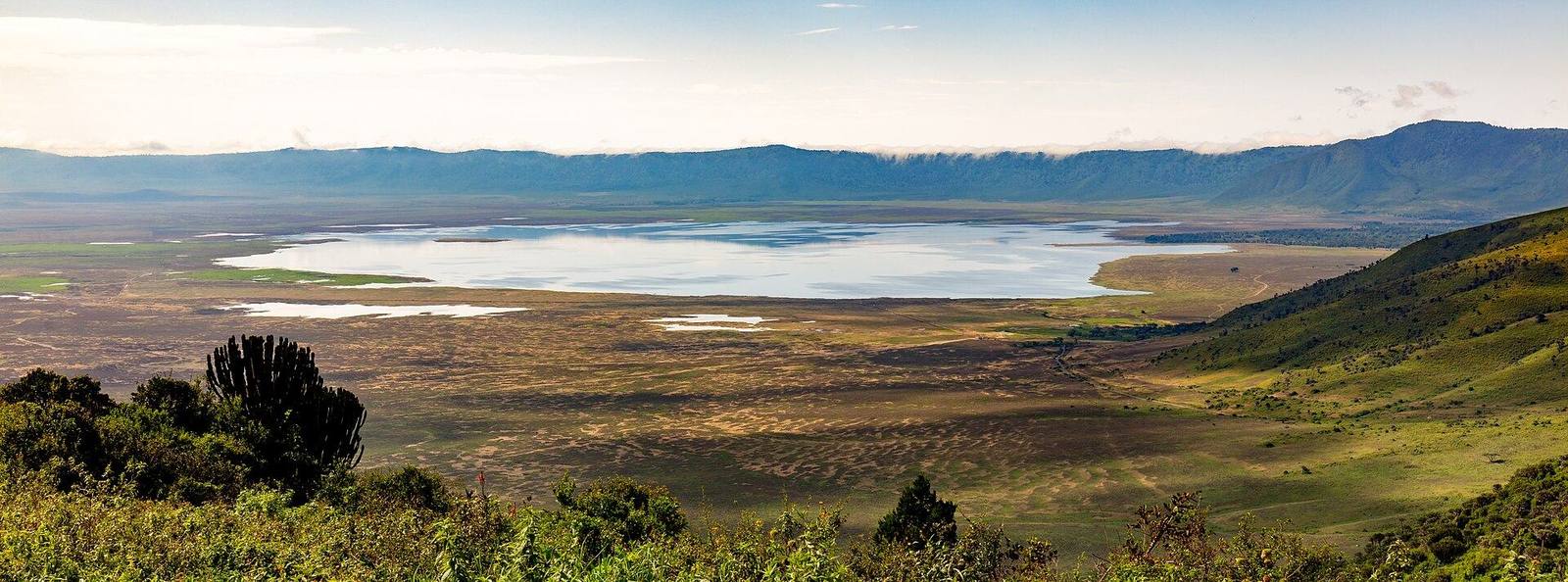
Tanzania · Destination imagery; host arrangements subject to approval9 DAYS / 8 NIGHTS
Arusha → Tarangire → Karatu / Ngorongoro → Arusha
University environmental science, anthropology and policy cohorts, normally 18+
Learning with intention
Four outcomes to guide observation, conversation and reflection.
Field-methods workshop, savannah ecology seminar, weather and habitat-recording methodology and guided group exercise.
Travel through cultivated/pastoral lands; conservation briefing and afternoon elephant-landscape observations.
Learning-focused field drive; record water, browse, tree impacts and seasonal movement; conservation corridor workshop.
9 DAYS / 8 NIGHTS
A proposed itinerary, tailored to your cohort. Travel times are estimates and host visits depend on approval.
Airport reception, safety induction, ecological overview and introduction to student field notes.
Travel & movement JRO → Arusha ~45–60 km; allow 1–1.5 hours.
Overnight Arusha
Field-methods workshop, savannah ecology seminar, weather and habitat-recording methodology and guided group exercise.
Travel & movement Arusha local movements ~10–35 km.
Overnight Arusha
Travel through cultivated/pastoral lands; conservation briefing and afternoon elephant-landscape observations.
Travel & movement Arusha → Tarangire ~120–150 km; allow 2.5–3.5 hours plus game-drive time.
Overnight Tarangire area
Learning-focused field drive; record water, browse, tree impacts and seasonal movement; conservation corridor workshop.
Travel & movement Game drive time 4–6 hours; route mileage variable.
Overnight Tarangire area
Transfer toward Karatu/Ngorongoro; analysis of national park versus multi-use conservation governance.
Travel & movement Tarangire area → Karatu ~130–170 km; allow 3–4 hours depending on starting point.
Overnight Karatu / Ngorongoro
Consent-based hosted discussion on pastoral mobility, grazing and climate pressures; student ethics review. Avoid staged performances.
Travel & movement Local travel ~20–60 km; road conditions variable.
Overnight Karatu / Ngorongoro
Crater field drive where access is confirmed; compare ecological systems and tourism pressures; data consolidation.
Travel & movement Karatu to crater access ~20–50 km each way; full-day excursion with steep/park roads.
Overnight Karatu / Ngorongoro
Group presentations, conservation policy debate, climate adaptation briefs and peer assessment.
Travel & movement Local movements minimal.
Overnight Karatu
Transfer with time buffer and final evaluation. Flights should be scheduled late enough to allow road travel.
Travel & movement Karatu → Arusha ~140–160 km; allow 3–4 hours plus onward airport travel.
Overnight Depart
Suggested academic deliverable
An individual field journal, a team presentation and a short evidence-based reflection or policy brief assessed by the accompanying institution. Visits to universities, NGOs, clinics, rangers and community hosts are illustrative and require prior permission.
Final arrangements are confirmed only in your individual quotation.
destination ground transport, selected accommodation, specified meals, local guiding, agreed educational facilitation and pre-confirmed park/site entry.
international airfare, visas and volunteer work permissions, personal insurance, vaccinations, personal expenses, optional permit activities and specialist academic speaker fees.
All programmes are proposed and subject to operating and institutional approval. Visits to universities, NGOs, clinics, conservation staff and community hosts require prior permission.
Programme recommendations do not replace current access rules, parental consent or your institution’s safeguarding requirements. Independent volunteering is not offered to minors.
Consent, non-intrusive observation and locally led interpretation guide every encounter. No unlicensed clinical activity, orphanage tourism, wildlife handling or unsupervised contact with vulnerable people.
Optional permit activities, insurance, health screening and any research or volunteer permissions must be confirmed for the final programme. Tourist entry must not be assumed to permit volunteering.
Road conditions, schedules and flight times influence routing. Optional modules and additional nights are arranged separately when needed.
Share your curriculum, group profile and preferred dates. We will review feasibility before preparing a tailored proposal.