
South Africa field studies · 2027–2028

South Africa Field Studies

Biodiversity, Heritage & Inclusive Cities

Cape Town brings biodiversity, the ocean economy, difficult histories and contemporary innovation into close contact. This journey uses the city and surrounding landscapes as a living classroom.

Proposed programmes · Tailored to your learning goals
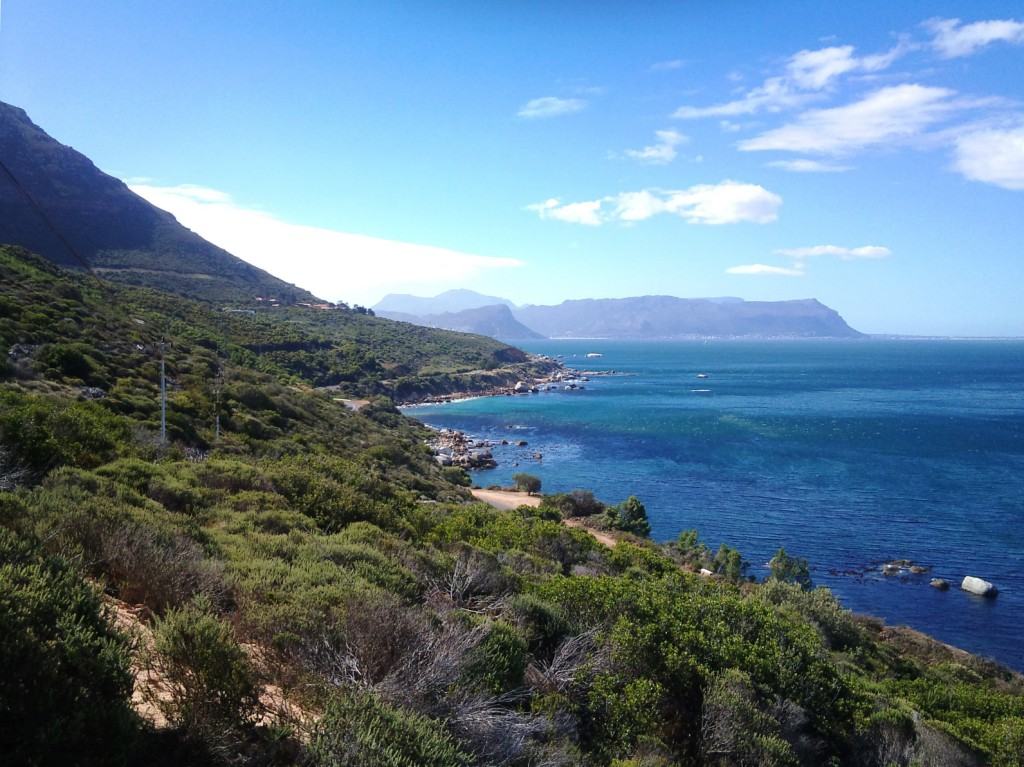
Cape Town safari scenery for SERENE SOJOURNS TOURSSouth Africa · Destination imagery; host arrangements subject to approval
Duration

8 DAYS / 7 NIGHTS

Learning route

Cape Town → Cape Peninsula → Stellenbosch → Cape Town

Recommended participants

Faculty-led senior school 15+ and university geography, biology and urban studies groups

Learning with intention

What students will learn

Four outcomes to guide observation, conversation and reflection.

  1. Identify features and conservation challenges of the Cape Floristic Region.

  2. Interpret water scarcity, urban planning and environmental justice issues.

  3. Analyse heritage interpretation and the effects of segregation and apartheid.

  4. Develop a team sustainability project based on observed local case studies.

Programme highlights

City history and civic space

Faculty-guided historical study using authorised museum/heritage site visits; discussion of apartheid history and urban inclusion.

Biodiversity in Kirstenbosch

Guided botanical learning session subject to booking; vegetation records, invasive-species comparisons and biodiversity reflection.

Cape Peninsula and marine ecology

Full-day peninsula circuit with approved coastal ecology observation, protected-area interpretation and visitor impact exercise.

8 DAYS / 7 NIGHTS

Your day-by-day journey

A proposed itinerary, tailored to your cohort. Travel times are estimates and host visits depend on approval.

8 days of discovery
Day01Arrive Cape Town

Airport welcome, group welfare briefing and responsible travel orientation; first reflection session.

Travel & movement Cape Town Airport → city ~20–25 km; allow 30–60 min.

Overnight Cape Town

Day02City history and civic space

Faculty-guided historical study using authorised museum/heritage site visits; discussion of apartheid history and urban inclusion.

Travel & movement Cape Town local travel ~10–35 km; allow 1–2 hours total.

Overnight Cape Town

Day03Biodiversity in Kirstenbosch

Guided botanical learning session subject to booking; vegetation records, invasive-species comparisons and biodiversity reflection.

Travel & movement City → Kirstenbosch ~15–20 km one way; allow 30–50 min.

Overnight Cape Town

Day04Cape Peninsula and marine ecology

Full-day peninsula circuit with approved coastal ecology observation, protected-area interpretation and visitor impact exercise.

Travel & movement Cape Town ↔ Cape Peninsula circuit ~130–180 km; allow 4–6 hours driving, plus learning stops.

Overnight Cape Town

Day05Water, food systems and resilience

Water management case-study workshop; visit an approved education/social enterprise initiative; student presentations.

Travel & movement Local movements ~20–55 km; 1–2 hours total.

Overnight Cape Town

Day06Stellenbosch and sustainable landscapes

Travel to Stellenbosch; discuss agricultural water use, rural enterprise and landscape conservation; consent-based educational visits.

Travel & movement Cape Town → Stellenbosch ~45–55 km; allow 1–1.5 hours each way.

Overnight Cape Town

Day07Student innovation challenge

Team fieldwork presentations on inclusive cities, biodiversity and environmental justice; facilitator feedback and closing event.

Travel & movement Local movements ~10–25 km.

Overnight Cape Town

Day08Depart Cape Town

Evaluation, final discussion and airport transfer.

Travel & movement City → airport ~20–25 km; allow 30–60 min.

Overnight Depart

Suggested academic deliverable

Turn experience into evidence.

An individual field journal, a team presentation and a short evidence-based reflection or policy brief assessed by the accompanying institution. Visits to universities, NGOs, clinics, rangers and community hosts are illustrative and require prior permission.

Proposed inclusions & exclusions

Final arrangements are confirmed only in your individual quotation.

Typically proposed

destination ground transport, selected accommodation, specified meals, local guiding, agreed educational facilitation and pre-confirmed park/site entry.

Excluded unless quoted

international airfare, visas and volunteer work permissions, personal insurance, vaccinations, personal expenses, optional permit activities and specialist academic speaker fees.

Safety & responsible engagement

All programmes are proposed and subject to operating and institutional approval. Visits to universities, NGOs, clinics, conservation staff and community hosts require prior permission.

Age-appropriate supervision

Programme recommendations do not replace current access rules, parental consent or your institution’s safeguarding requirements. Independent volunteering is not offered to minors.

Respect for hosts and wildlife

Consent, non-intrusive observation and locally led interpretation guide every encounter. No unlicensed clinical activity, orphanage tourism, wildlife handling or unsupervised contact with vulnerable people.

Access, permits & insurance

Optional permit activities, insurance, health screening and any research or volunteer permissions must be confirmed for the final programme. Tourist entry must not be assumed to permit volunteering.

Realistic travel planning

Road conditions, schedules and flight times influence routing. Optional modules and additional nights are arranged separately when needed.

Shape this journey around your students.

Share your curriculum, group profile and preferred dates. We will review feasibility before preparing a tailored proposal.