Overview
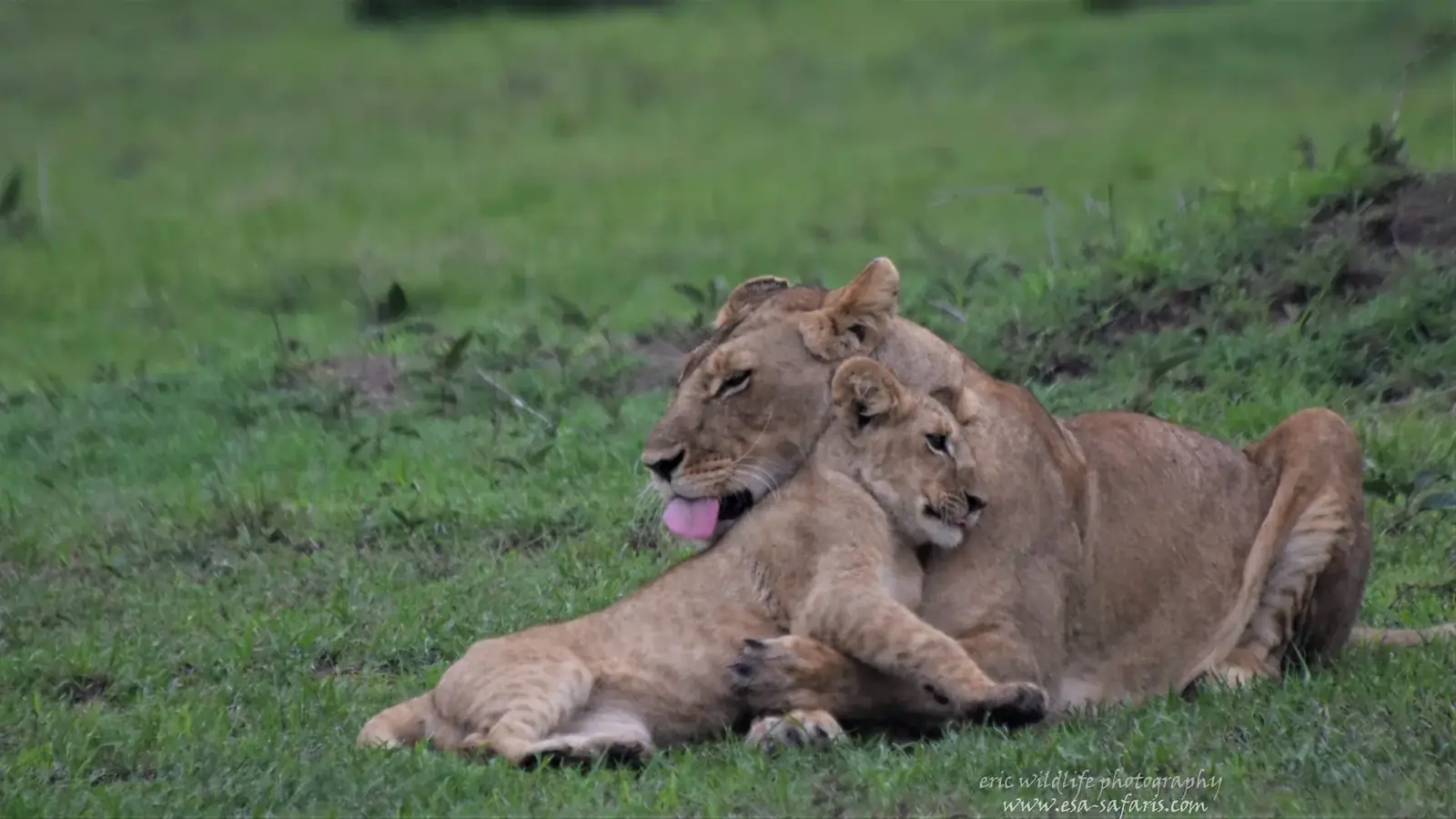
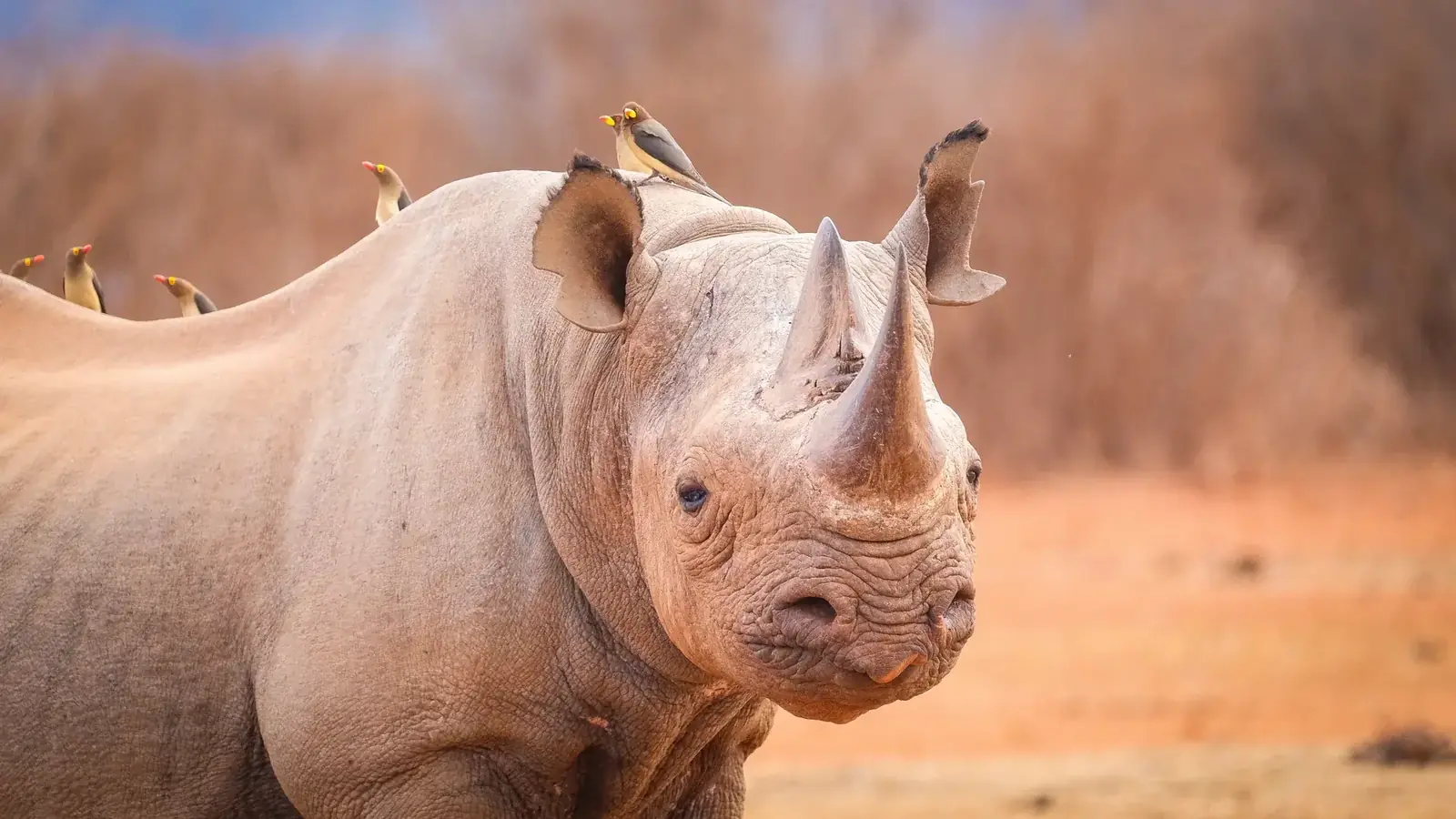
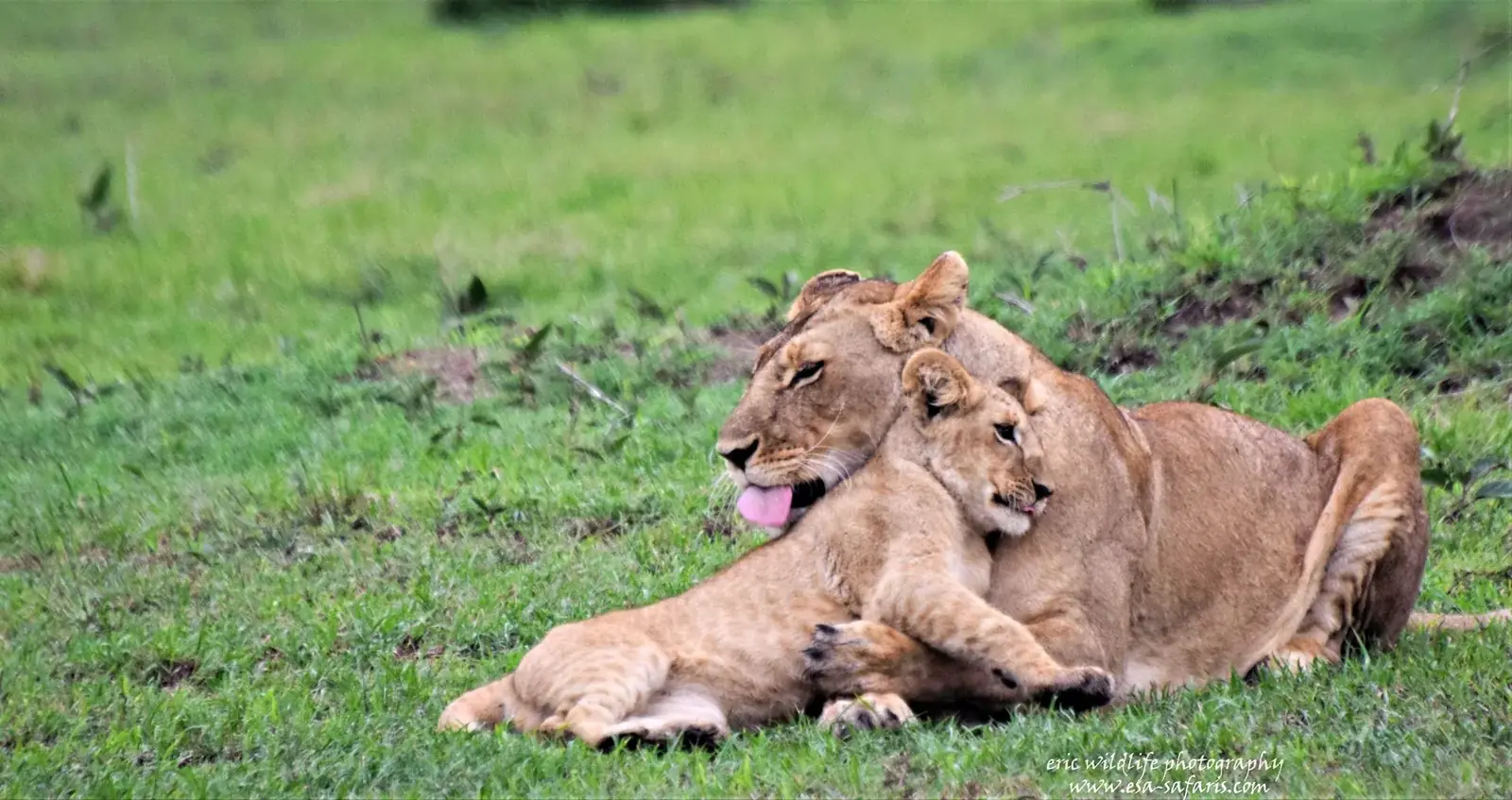
Kruger National Park is the cornerstone of South African safari tourism and one of the world's great wildlife destinations. Covering nearly 20,000 square kilometres across the Limpopo and Mpumalanga provinces — roughly the size of Wales — Kruger supports populations of all of Africa's most iconic species: lion, leopard, elephant, white rhino, and buffalo, along with cheetah, wild dog, giraffe, hippo, and an extraordinary diversity of antelope and birdlife.
The park itself is accessible via multiple entry gates and can be explored independently or with a guided operator. However, the most exceptional game viewing experiences in the Kruger ecosystem are found not within the national park boundaries, but in the private game reserves that border it — particularly the Sabi Sand, Timbavati, and Klaserie concessions. These private reserves share an unfenced boundary with Kruger, allowing wildlife to move freely, while offering exclusive access, off-road driving capability, and night game drives that the public park does not permit.
The result is a safari experience that is fundamentally different from the national park — one that combines the wildlife density of Kruger's ecosystem with the intimacy of small-group game drives, expert tracker-guide pairs, and lodges where the ratio of staff to guests often exceeds two to one.
The Sabi Sand Game Reserve, in particular, has earned a global reputation for exceptional leopard sightings. Multiple habituated leopards move through the reserve's territory daily, and close-quarter photographic encounters that would be extraordinary anywhere else in Africa are almost routine here. It is one of the premier wildlife photography destinations on earth.
Signature Experiences
Best Time to Visit
The dry season (May–September) is the optimal time for game viewing in Kruger. Vegetation thins significantly, wildlife concentrates around water sources, and the bush becomes navigable for vehicle tracking. July and August offer the most reliable sightings but also the coolest temperatures at night. The wet season (October–April) brings lush green landscapes, newborn animals, and extraordinary birdlife — including migratory species — but denser vegetation makes game spotting more challenging.
Key Areas & Sub-Destinations
Practical Tips
Malaria prophylaxis is strongly recommended for travel to Kruger and the surrounding Lowveld. Use long-sleeved clothing and insect repellent at dawn and dusk. Most visitors fly from Johannesburg to Hoedspruit (HDS) or Nelspruit/Kruger Mpumalanga International (MQP) — journey time from Johannesburg by road is approximately 5–6 hours. Private reserve lodges almost always offer transfer services from these airports.
Best For
→ Plan your Kruger National Park journey — submit an enquiry to receive a tailor-made proposal.
How to plan Kruger National Park
The dry season (May–September) is the optimal time for game viewing in Kruger. Vegetation thins significantly, wildlife concentrates around water sources, and the bush becomes navigable for vehicle tracking. July and August offer the most reliable sightings but also the coolest temperatures at night. The wet season (October–April) brings lush green landscapes, newborn animals, and extraordinary birdlife — including migratory species — but denser vegetation makes game spotting more challenging.
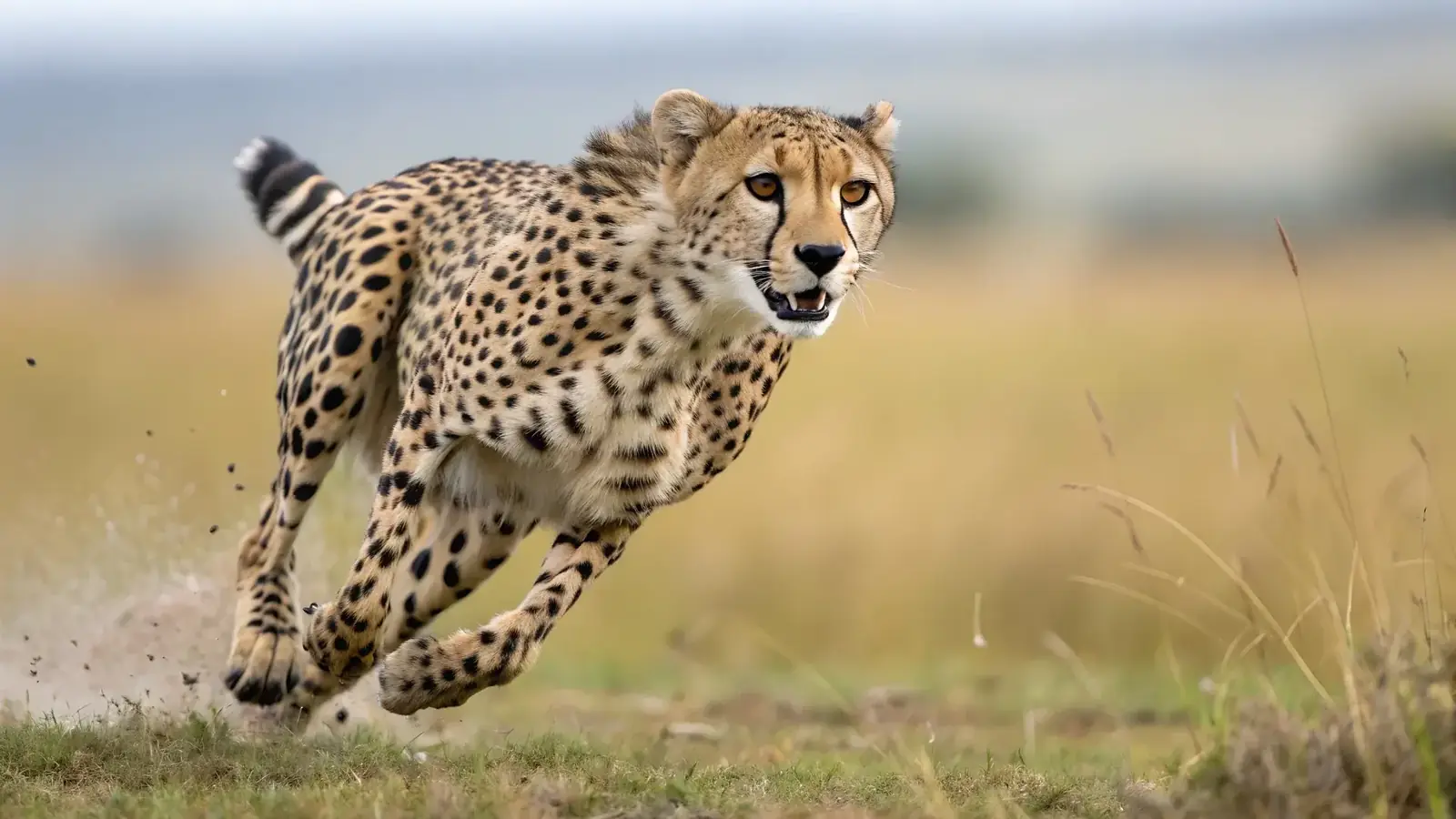
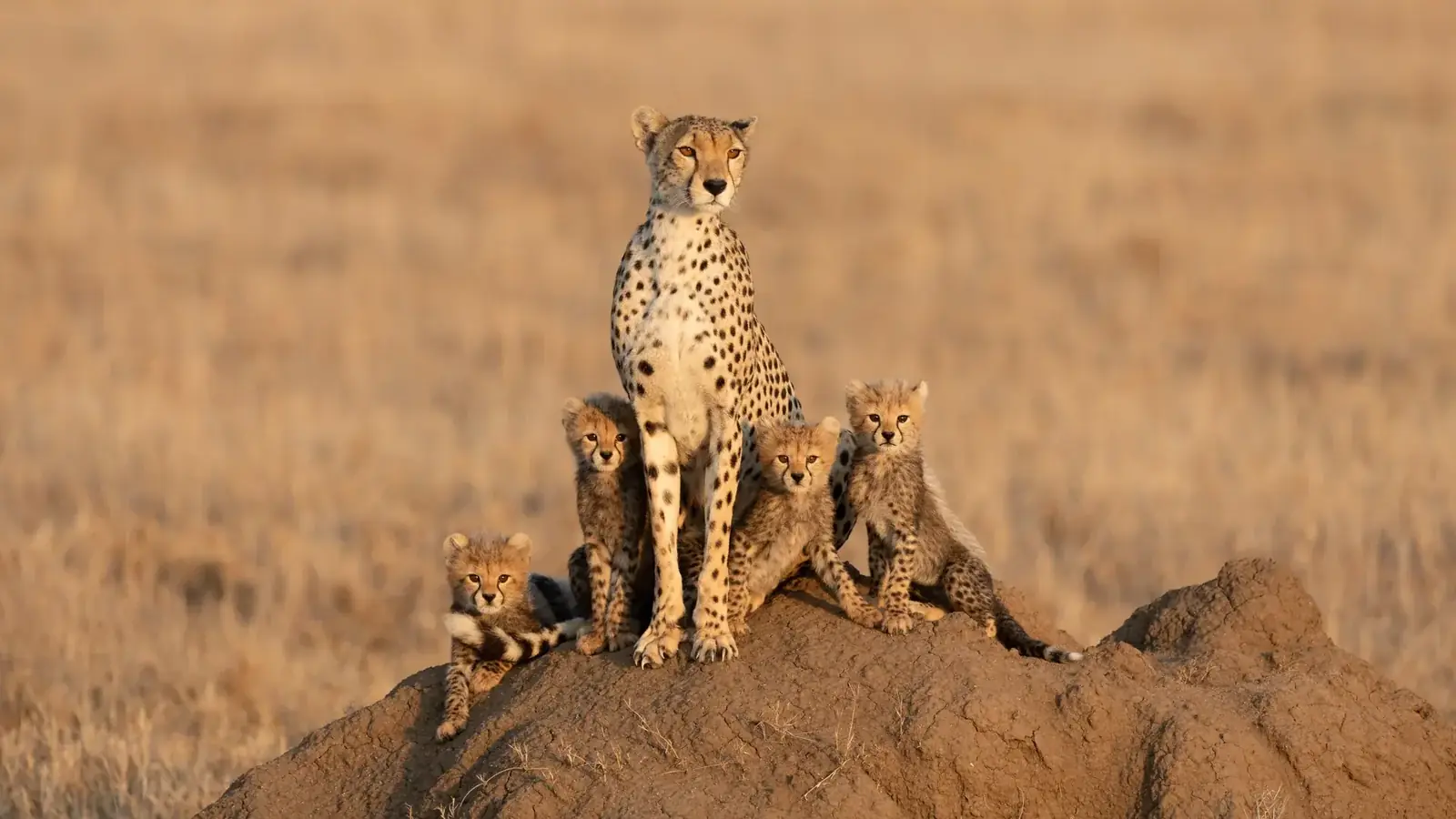
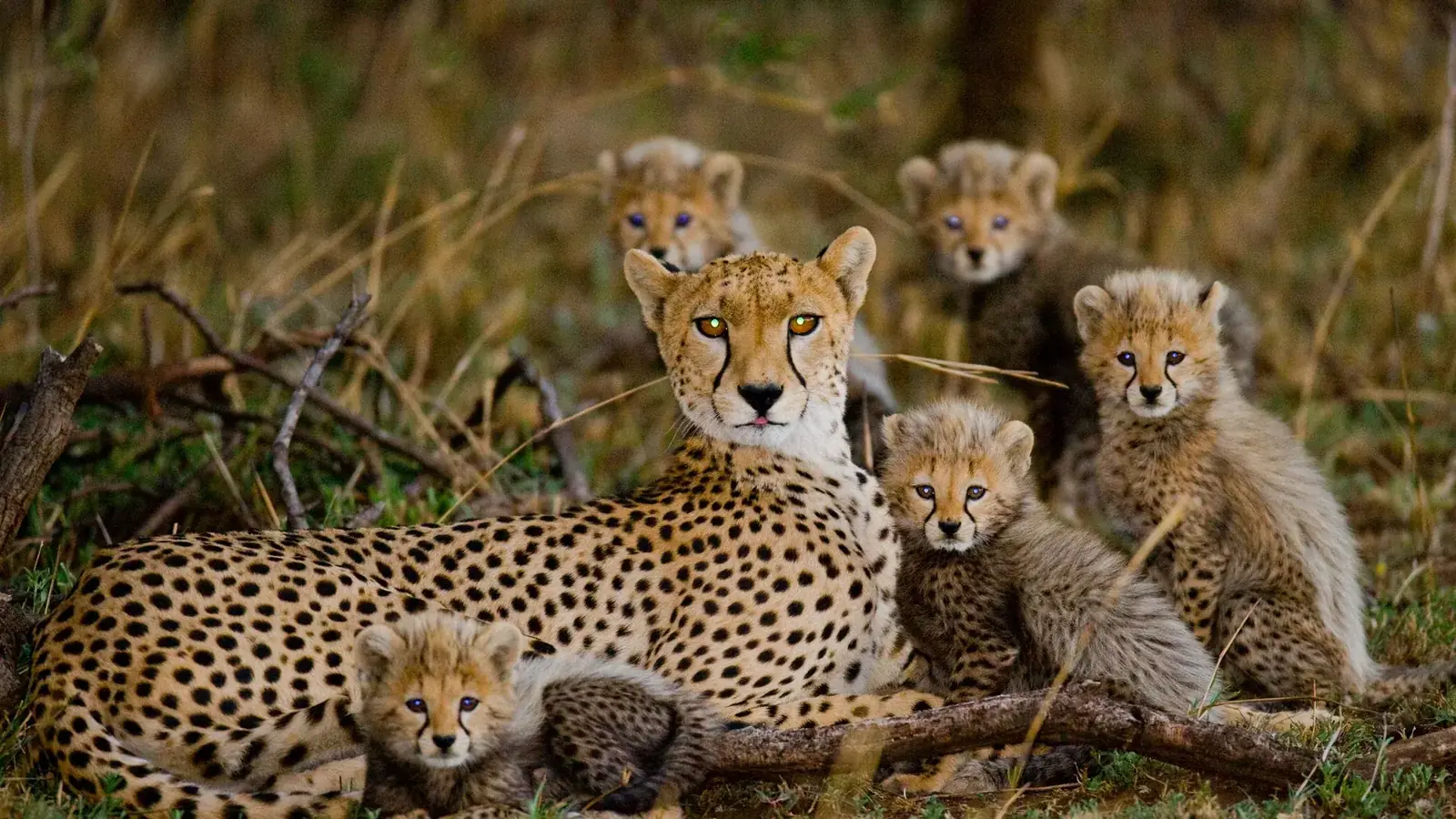
Sabi Sand Game Reserve — the premier private concession, famous for leopard, Timbavati Private Nature Reserve — home to the famous white lions, Klaserie Private Nature Reserve — remote and uncrowded big five territory, Central Kruger — Satara and Skukuza areas, high lion and cheetah density
Safari purists seeking the Big Five in depth, Wildlife photographers, Honeymoon couples in luxury bush lodges, First-time Africa safari visitors, Repeat safari travelers wanting private reserve access beyond public Kruger
- Big Five game drives — lion, leopard, elephant, rhino, and buffalo
- Night drives in private reserves revealing nocturnal wildlife
- Expert tracker-guide partnerships on open safari vehicles
- Walking safaris in private concessions with armed field guides
- Leopard encounters in Sabi Sand — some of Africa's most reliable sightings
- Wild dog sightings — Kruger hosts one of Africa's largest protected populations
- Bush dinners under African skies at private lodge bomas
- The Panorama Route day excursion — Blyde River Canyon and God's Window